
Yanature reviews: how to interpret them and make an informed choice about a nature experience in Mauritius
A practical guide to interpreting Yanature reviews, assessing the guide, difficulty level, terrain, pace, weather and logistics, and fitting a day in nature into your trip…
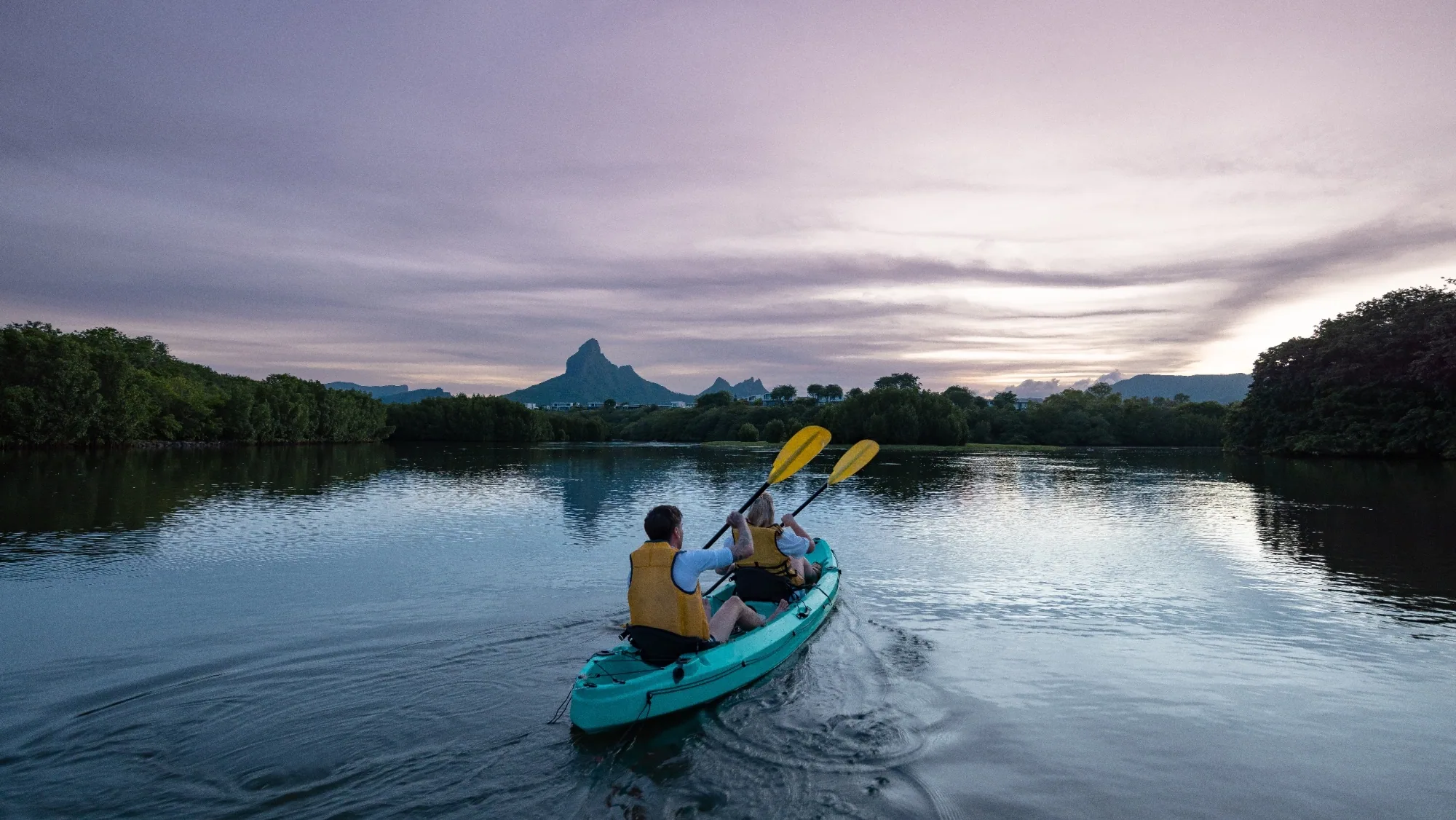
It is understandable to look for Yanature reviews before choosing a nature experience in Mauritius. Photos may make you want to set off straight away, but they rarely show how uneven the terrain is, what pace the group maintains or how the day is managed when conditions change.
Reviews are therefore a useful starting point, not a definitive answer. This guide will help you read them carefully, distinguish personal impressions from genuinely useful information and understand whether the experience you are considering fits into your 7-, 10- or 14-day trip. Before deciding, it is still important to check the available Yanature services, planned route and latest operating conditions directly.
Why so many people look for Yanature reviews
A day in nature cannot be assessed by the name of the place alone. Two people can join a similar experience and describe it very differently: one may enjoy a sustained climb, while another may find it too demanding. The same applies to mud, heat, exposed sections, water crossings and transfer times.
People looking for Yanature reviews often want to understand something that a short description cannot fully convey: what the day is really like. The questions behind the search are practical. Does the guide listen to the group? Does the pace leave enough time to take in the scenery? Is the route suitable for people who do not hike regularly? Are the logistics clear?
Testimonials can provide useful clues, but they should be read with the date, route taken, the reviewer’s experience level and the conditions they encountered in mind. On its own, whether enthusiastic or negative, a review mainly reflects that particular day.
What to look for in Yanature reviews
The most useful reviews are not necessarily the longest or the most enthusiastic. Look for observable details: how long the experience felt, the type of terrain, any ascents or descents, group size, clarity of explanations, breaks, punctuality and how different ability levels were managed.
Be careful with generic terms. “Easy” may mean a relaxed walk for someone who is fit, but a strenuous challenge for someone with a sedentary lifestyle. “Family-friendly” says little unless the children’s ages, their walking experience and the trail’s characteristics are specified.
It is also useful to compare reviews written at different times. If several people describe the same aspect in detail, it is worth looking into. However, do not treat this recurring feedback as a certainty: guides, itineraries and conditions can change. The key question to ask the operator remains: “How is this experience currently organised for a group like ours?”
A good review helps you ask better questions. It does not replace checking the latest information about the route, conditions and your ability level.
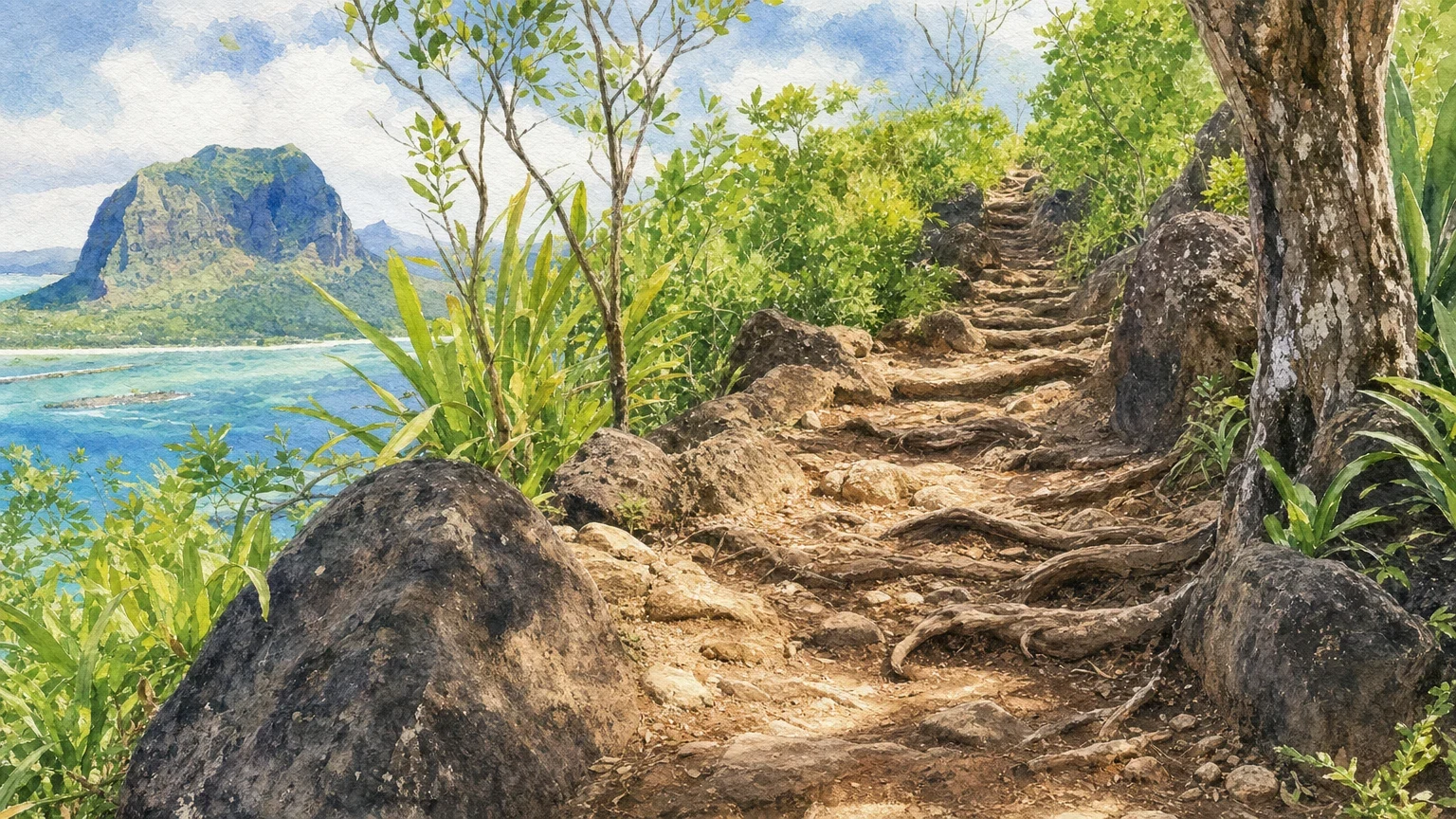
Signs of a good local guide
Booking an activity and putting your trust in a good local guide are not quite the same thing. An activity can be described by its schedule, meeting point and route. The guide’s value is revealed in how they prepare, communicate and lead the day.
In reviews, look for specific references to the guide’s ability to explain the terrain, listen to concerns, maintain a manageable pace and let participants know what to expect before more challenging sections. It is also a positive sign when the review shows care for the environment and for people, without portraying every moment as a challenge to overcome.
A responsible guide should not promise that everything will be easy. Instead, they should help participants understand the required level and make sensible decisions based on the conditions. If you have specific needs, do not rely solely on the impressions of other travellers: explain them clearly before making your choice.
Questions to ask before choosing an experience
Before booking, ask about the expected distance and duration, but do not stop at the numbers. Find out about elevation gain, how even the terrain is, whether there are steep, slippery, exposed or water-based sections, and whether participants can move at different paces.
Also clarify the group size and composition, meeting point, any required transfers, recommended clothing and what you need to bring. If you are travelling with children, people with limited fitness or participants with specific needs, share their ages, experience and any relevant limitations. “We’re all reasonably fit” sounds reassuring, but it is not very precise.
Finally, ask how the day’s conditions are assessed and when you will receive any updates. Do not look for a promise of good weather: look for a clear process for making decisions based on the latest information.
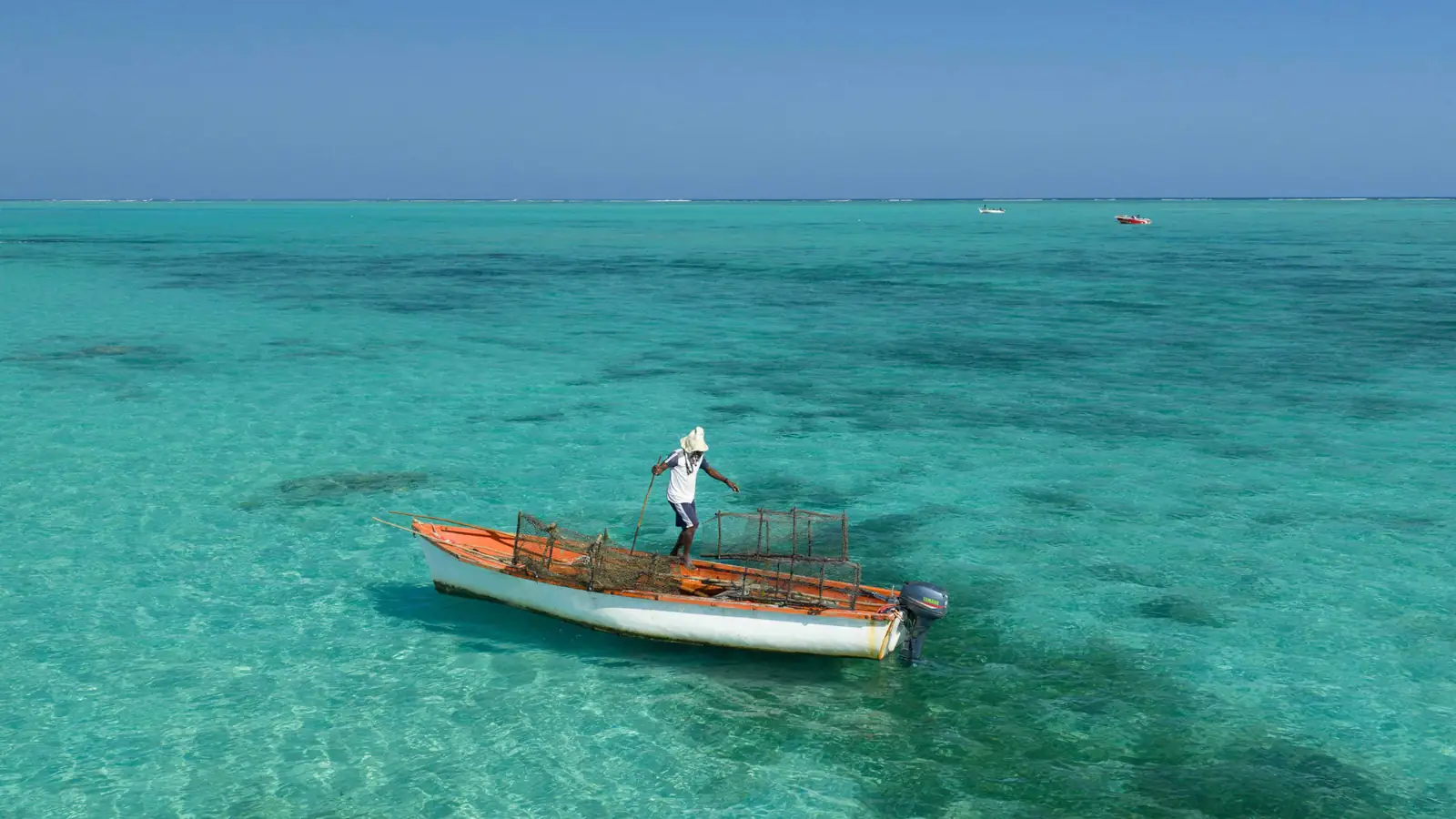
How to fit a nature day into a 7-, 10- or 14-day trip
The question is not only whether the experience appeals to you, but where it fits into your itinerary. An active day is more enjoyable when you account for transfers, other activities and the time needed to recover. If possible, avoid scheduling it alongside a change of accommodation or another physically demanding experience.
On a 7-day trip
Choose one nature day carefully so that it truly reflects your interests. Leave some flexibility around the experience and consider where you are staying: crossing the island simply to pack in more activities can take time away from the landscapes you came to discover.
On a 10-day trip
You could plan two different active days, with time on the coast, cultural visits or more flexible days in between. The aim is not to fill every moment, but to alternate between experiences that require different levels of energy.
On a 14-day trip
You have more freedom to explore different environments and adapt your plans to the latest conditions. Even with two weeks, however, it is best to avoid a continuous sequence of early starts and demanding days. Unscheduled time is part of the journey, not a gap that needs filling.
Families, couples and special occasions
A review written by a fit couple may not provide enough guidance for a family with young children or a group with different ability levels. Look for reviews from travellers in a similar situation, but always confirm the latest requirements directly.
For a family, the most important factors are realistic duration, breaks, terrain, available facilities and the flexibility to adjust the pace. Couples may want to know how much of the experience is shared with other participants and how much free time remains in the day. For an anniversary or another special occasion, it is worth clarifying in advance whether you would prefer an active, relaxed or private day, without assuming that a particular option is available.
In small groups, it is wise to plan around the person with the least experience, who feels least comfortable on the terrain or who needs the most breaks. Ask the operator how different paces are managed: it is a simple detail that can make a significant difference to the day.
Reviews, weather and recent conditions
A review describes the conditions experienced by the person who wrote it, not necessarily those you will encounter. Recent rain, visibility, trail conditions and water levels can change the nature of a route. This is why the date of a review matters, although even a recent review cannot replace a check made closer to the day of the experience.
Be wary of sweeping conclusions based on a single day, whether positive or negative. Before setting out, ask for an update on the planned route, the equipment required and any alternatives. If a particular condition is important to you, include it in writing in your enquiry.
When Andeor can help with your trip
If you are choosing a single experience and have already arranged your accommodation, transport and pace, it may be enough to gather up-to-date information from the operator. Andeor's support can be useful when a nature day needs to fit alongside several regions, changes of base, family needs, a special occasion or other demanding activities.
In these cases, the aim is not to add as many guided excursions in Mauritius as possible. It is to create a tailor-made trip to Mauritius where transfers, active days, time on the coast, cultural experiences and rest follow a realistic pace. Being honest about what you enjoy and what you would rather avoid is more helpful than a plan that looks perfect on paper.
Andeor guidance
We build your trip around you
Tell us what kind of trip you have in mind. Once we have checked the available options, we can help you consider a plan that suits you, with a realistic balance of nature, travel, time on the coast and free time.


